In modern households, televisions are often a central source of entertainment, bringing movies, shows, sports, and more to life right in our living rooms. LED and LCD TVs, with their sleek designs and high-definition displays, have become the standard choice for many. However, like all electronic devices, they’re not immune to issues that can arise from regular usage, physical damage, or even software glitches. Understanding the types of problems that commonly affect LED/LCD TVs, the repair process, and how to select the right repair service can help you get the most out of your television and save you from costly replacements.
LED (Light Emitting Diode) and LCD (Liquid Crystal Display) TVs share similarities but use different backlighting technologies. LED TVs, a subtype of LCD TVs, use LEDs as their backlight source, while traditional LCDs use fluorescent backlighting. This difference in technology gives LED TVs an edge in terms of energy efficiency, brightness, and slim design, but both types have similar structures and, consequently, similar types of issues. From screen problems and audio malfunctions to power issues and connectivity errors, a variety of problems can disrupt the viewing experience on both LED and LCD TVs.
Common LED/LCD TV Problems and Causes
Screen Issues:
- Problems such as flickering, black or blank screens, lines across the display, or dimming are frequently encountered with LED and LCD TVs.
- Causes can include damaged display panels, faulty LED backlights, loose connections, or internal component failures.
- In many cases, these problems can be fixed by repairing or replacing the damaged components. However, screen issues are often complex and require the expertise of trained technicians who can safely disassemble and reassemble the delicate parts of an LED or LCD display.
Audio Problems:
- Audio problems can range from low volume, distorted sound, and intermittent sound to complete audio loss.
- These issues may be due to damaged internal speakers, a faulty audio IC (integrated circuit), or simple misconfigurations in the audio settings.
- Repairs for audio problems may involve replacing internal speakers, updating software, or even replacing the audio IC to restore proper sound function.
Power Supply Problems:
- Power issues are another common concern, with symptoms such as the TV failing to turn on, shutting off randomly, or taking a long time to start up.
- These problems are often caused by faulty power boards, capacitors, or power fluctuations that can damage sensitive internal components.
- Professional technicians usually inspect the power supply board and may replace damaged capacitors or other components to ensure stable operation.
Connectivity Issues:
- With smart TVs, connectivity issues are increasingly common, affecting HDMI ports, USB ports, and Wi-Fi connections.
- These issues can arise due to physical damage, loose connections, or outdated software that interferes with connectivity.
- A technician will typically check the physical ports, perform software updates if necessary, and repair any damaged internal connections to restore full connectivity.
Remote Control Issues:
- Sometimes, the problem may not be with the TV itself but with the remote control. Remote controls may stop working due to dead batteries, physical damage, or signal issues with the sensor on the TV.
- Replacing batteries or the remote control or testing the sensor can resolve many remote-related issues.
The Importance of Professional LED/LCD TV Repair Services
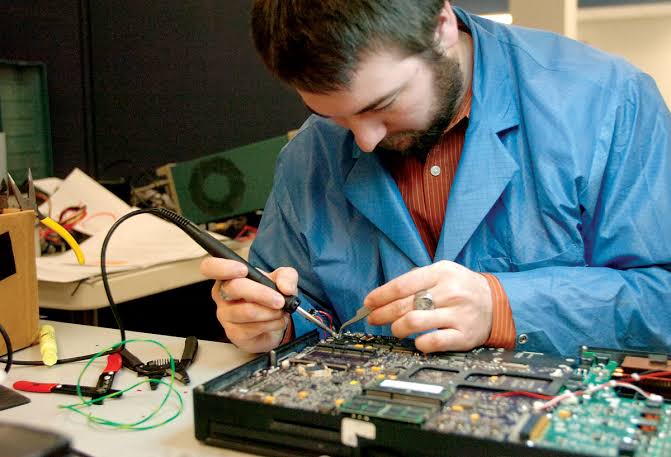
While it may be tempting to attempt DIY repairs, particularly for seemingly minor issues, LED and LCD TVs are complex devices with delicate internal components. Professional repair services offer trained technicians who can accurately diagnose and fix issues using specialized tools, ensuring that repairs are done safely and effectively.
Accurate Diagnosis:
- Experienced technicians can quickly and accurately diagnose the cause of the issue, saving time and reducing the risk of further damage.
- This professional approach avoids the trial-and-error approach that often accompanies DIY repairs.
Specialized Equipment and Parts:
- LED/LCD TVs require specialized tools for diagnosis and repair, especially when dealing with delicate components such as the screen or internal wiring.
- Reputable repair services also use high-quality replacement parts, ensuring durability and compatibility with the TV model.
Warranty on Repairs:
- Many professional repair services offer warranties on parts and labor, providing customers with peace of mind and protecting them from unexpected costs if issues arise after the repair.
Cost-Effective Solution:
- Attempting repairs without proper skills or tools can sometimes lead to more extensive damage, increasing the cost of repairs. Professional services, by contrast, provide efficient repairs that prevent further damage, making it a more cost-effective solution.
The LED/LCD TV Repair Process
The typical repair process involves a few main steps:
Initial Assessment and Diagnosis:
- Technicians will perform an initial assessment to understand the symptoms and narrow down potential causes of the issue.
- In many cases, this may involve testing different internal components, running diagnostic software, and checking for loose connections or damaged parts.
Repair Estimate and Approval:
- Once the cause of the issue is identified, the technician provides an estimated cost and time for repairs. The customer can then decide to proceed with the repair or consider alternative options.
Repair or Replacement:
- Depending on the nature of the issue, the technician may replace damaged parts (e.g., LED backlights, speakers, power boards) or repair existing components.
- For software-related problems, updates or resets may be performed to restore functionality.
Final Testing:
- After repairs, a series of tests are conducted to ensure the TV is functioning optimally, checking for display quality, audio output, connectivity, and responsiveness.
Home Delivery or In-Home Repair:
- Some services offer convenient home delivery or in-home repairs, saving customers the hassle of transporting their TVs to a repair center.
Tips for Choosing a Reliable LED/LCD TV Repair Service
Selecting a trustworthy repair service is essential to ensure quality and longevity in repairs. Here are a few tips to guide you in choosing a service provider:
Check Reputation and Reviews:
- Online reviews, customer testimonials, and referrals from friends or family can offer insights into the reliability of a service provider.
Look for Experience and Expertise:
- Experience in handling a variety of TV brands and models is essential, as it indicates that the technicians are well-versed in different types of repairs.
Inquire About Transparent Pricing:
- Choose a service that offers clear, upfront pricing without hidden fees. A reputable repair service will provide a detailed breakdown of costs before proceeding with repairs.
Ask About Warranty:
- Opt for a service that offers a warranty on parts and labor, ensuring added protection if issues arise after the repair.
Preventive Maintenance Tips for LED/LCD TVs
Maintaining your TV can help reduce the need for repairs. Here are some tips:
Keep the TV Clean:
- Dust and debris can impact performance. Regularly wipe down the screen and keep vents free of dust.
Ensure Proper Ventilation:
- Avoid placing the TV near heat sources and ensure there’s adequate airflow to prevent overheating.
Use a Surge Protector:
- Protect your TV from electrical surges by using a surge protector, which can prevent damage to sensitive internal components.
Adjust Brightness Settings:
- Lowering the brightness can reduce wear on the backlight and save energy.
Turn Off When Not in Use:
- Avoid leaving the TV on for long periods if it’s not in use to prevent unnecessary wear.